
Imagine a sudden blackout or natural disaster striking without warning-are you ready? Survival preparedness isn’t paranoia; it’s prudence backed by FEMA data showing millions affected yearly. This Ultimate Beginner’s Guide equips you with a resilient mindset, essential 72-hour bug-out bag checklist, water purification methods, food stockpiling tips, first aid essentials, and shelter/fire skills. Discover how simple steps ensure your safety-start preparing today.
Understanding Survival Preparedness
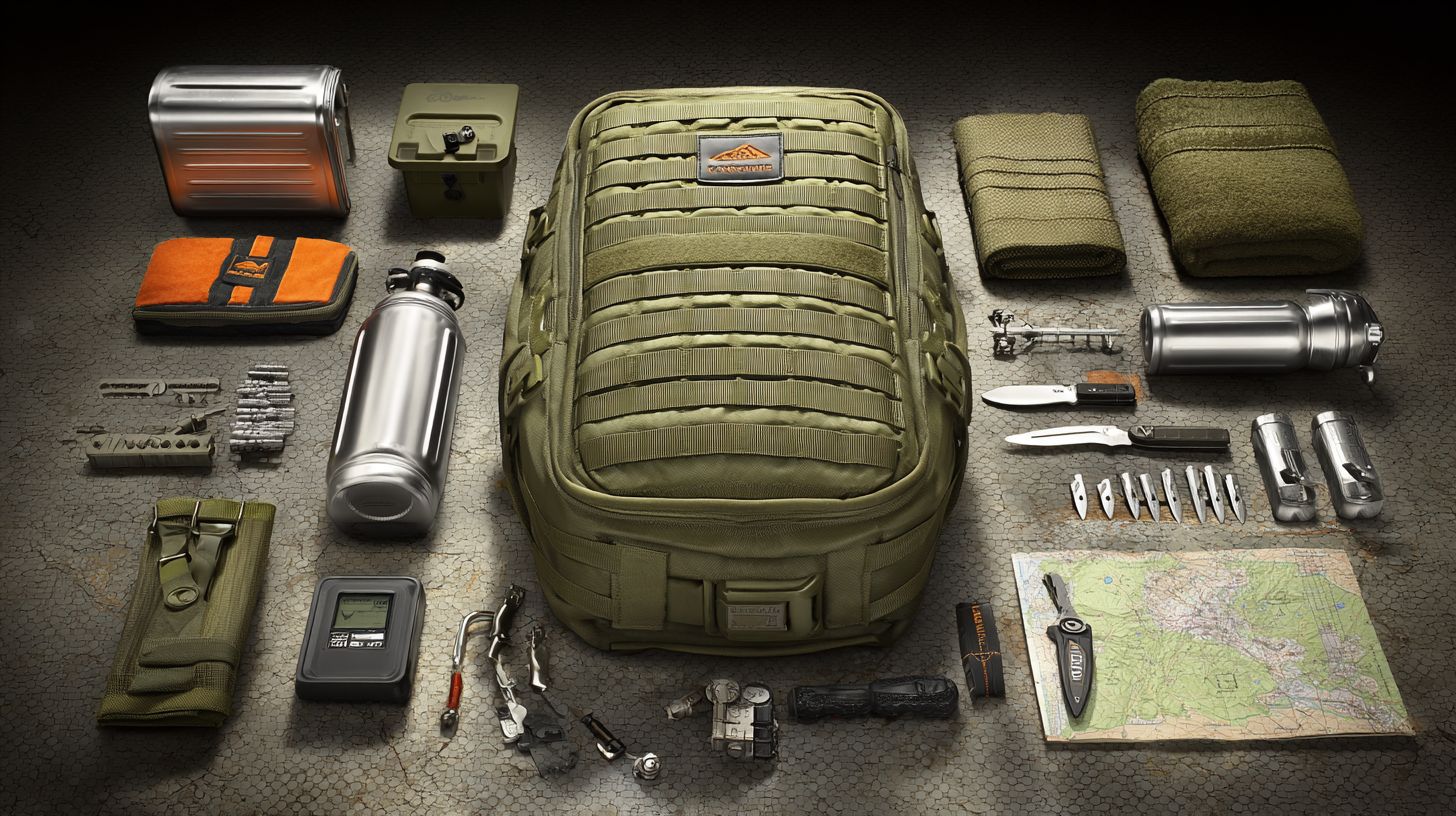
Survival preparedness equips you to handle disasters that strike millions of Americans yearly according to FEMA’s 2023 data, from hurricanes affecting coastal regions to power outages impacting urban areas. These events disrupt daily life and demand quick action. Building an emergency kit and skills helps you respond effectively.
FEMA reports highlight 435 disasters in 2023 costing billions in damages, while CDC data notes thousands of annual deaths from extreme weather. Threats range from natural events to man-made crises. Preparedness turns chaos into manageable situations through planning.
Key threats include hurricanes like Katrina in 2005 with heavy loss of life, earthquakes such as the 2023 Turkey event causing massive casualties, and pandemics like COVID with over a million US deaths. Other dangers cover power outages like Texas in 2021, floods with billions in yearly damage, wildfires burning millions of acres, tornadoes striking frequently, and potential EMP or grid down scenarios warned about in reports from the National Academies.
- Hurricane: Winds and flooding isolate communities.
- Earthquake: Sudden shaking destroys infrastructure.
- Pandemic: Illness spreads rapidly without vaccines.
- Power outage: Cold and lack of services endanger lives.
- Flood: Rising waters sweep away homes.
- Wildfire: Fast-moving flames force evacuations.
- Tornado: High winds demolish structures.
- EMP/Grid down: Long-term blackouts halt society.
Households with kits and plans endure longer during crises, as noted by the Red Cross. Start with a 72-hour kit including water purification, non-perishable food, and first aid supplies. Practice your family plan to build confidence.
Why Prepare? Common Threats
FEMA’s 2023 Annual Report documents numerous disasters costing billions, underscoring the need for readiness when many lack basic supplies. These events hit without warning and overwhelm unprepared areas. Survival preparedness focuses on threats you can anticipate and mitigate.
Hurricanes bring category 5 winds over 150 mph and massive damages, while earthquakes at Richter 7+ topple buildings as seen in 2023 Morocco. Tornadoes with EF5 speeds over 200 mph injure many yearly. Each demands an evacuation plan or shelter-in-place strategy.
- Floods: Cause most disaster drownings with heavy annual losses, requiring elevation and water barriers.
- Wildfires: Burn vast acres globally, spreading smoke and forcing quick escapes with go-bags.
- Pandemics: Like historical flu outbreaks, spread illness needing masks, hygiene kits, and food storage.
Prepared families handle disruptions better, according to the Red Cross. Assess your area’s risks using official threat maps, then stock a bug out bag with flashlight, multi-tool, and medications. Run drills to test your communication plan and rally points for real effectiveness.
Building Your Survival Mindset
A survivor’s mindset-cultivated through daily practice-boosts survival odds by 50% according to U.S. Army Research Institute studies on resilience training. In survival preparedness, mental strength often decides outcomes more than gear like a bug out bag or first aid kit. Beginners must train core skills to face threats from natural disasters to grid down scenarios.
Start with situational awareness using the Cooper Color Code: white for unaware, yellow for relaxed alert, orange for specific threats, red for action. Practice scanning your environment during walks. This builds habits for urban survival or wilderness threats.
Next, develop stress inoculation with box breathing: inhale for 4 seconds, hold 4, exhale 4, hold 4. Repeat under simulated pressure like cold showers. Pair it with the OODA loop-observe, orient, decide, act-for decision-making under pressure.
Build resilience through USMC-inspired 40% mental toughness training by pushing past comfort in workouts. Use Navy SEAL positive self-talk, repeating phrases like “I am calm and capable.” Follow a weekly drill schedule: Monday awareness scans, Wednesday breathing, Friday OODA simulations, Sunday self-talk reviews. Read Deep Survival by Laurence Gonzales for deeper insights into who lives and why.
Key Mental Skills for Crisis
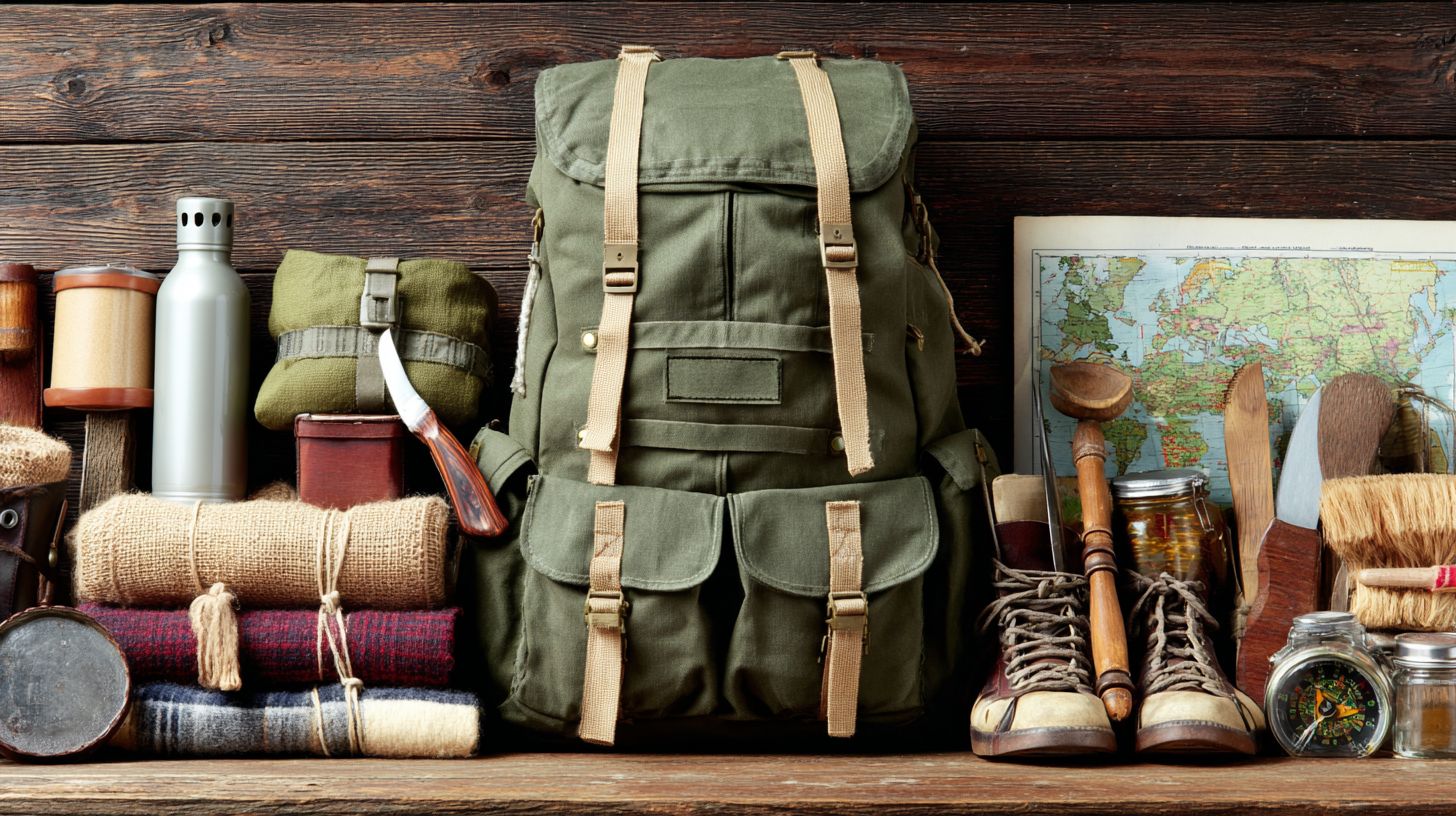
Mastering the OODA Loop (Observe-Orient-Decide-Act) helped Captain Chesley ‘Sully’ Sullenberger land US Airways Flight 1549 safely in the Hudson. This framework shines in high-stakes survival like evacuations or SHTF events. Beginners can apply it to everyday drills for muscle memory.
For situational awareness, scan 360 degrees every 60 seconds and practice Cooper’s colors during family walks. Identify exits and threats in stores or parks. This sharpens senses for earthquakes, floods, or urban threats.
Control stress with 4-7-8 breathing: inhale 4 seconds, hold 7, exhale 8. Use it before sleep or during mock power outages. Experts recommend it from Special Forces mental training protocols to stay composed with your 72-hour kit.
- Practice the 5-second rule from Mel Robbins: count down from 5 to force decisive action in drills, like grabbing your go-bag instantly.
- Manage fear by visualizing success for 5 minutes daily, picturing calm use of water purification tablets or fire starters.
- Build team leadership by assigning roles in family drills, such as one handling the NOAA weather radio and another the paracord.
Essential Survival Gear Checklist
A properly packed 72-hour bug-out bag weighing 20-30 lbs contains 33 essential items recommended by FEMA and Ready.gov standards. This emergency kit focuses on the rule of 3s: three hours without shelter, three days without water, three weeks without food. Keep total weight under 30 lbs for mobility during evacuation.
Use a pouch system for packing, with categories in separate pouches like water, food, and medical. This method allows quick access and keeps gear organized in your bug out bag. Aim for a total cost of $250-400 to build a solid beginner setup.
Weight limits matter for survival preparedness. Limit water to 9 lbs max, food to 5 lbs, and shelter to 4 lbs. Test your pack on short hikes to ensure comfort.
Below is a categorized checklist table for essential gear. Customize based on your region, like adding rain gear for floods or thermal layers for cold weather.
| Category | Items | Weight (lbs) | Cost |
|---|---|---|---|
| Water | 1 gal/person/day x3, purification tablets | 24 max | $20 |
| Food | 3,600 cal MREs or energy bars | 5 | $50 |
| Shelter | Emergency blanket, tarp 8×10 ft | 4 | $30 |
| Tools | Leatherman Wave multi-tool, ferro rod | 2 | $100 |
| Navigation | Suunto compass, topo maps | 1 | $30 |
| Medical | CAT tourniquet, first aid basics | 2 | $30 |
| Comms | Hand-crank NOAA radio | 2 | $40 |
72-Hour Bug-Out Bag Basics
Your 72-hour BOB should weigh under 25 lbs and include FEMA’s rule of 3s: 3 days water (3L/day), 3 days food (2,000 cal/day), 3-season shelter. This setup supports urban survival or wilderness evacuations during natural disasters like hurricanes or earthquakes. Prioritize multi-use items to save space.
Pack using a pouch system: one for water, one for food, and so on. Place heavy items like water low and centered for balance. Total cost comes to about $289 for quality basics.
- Water: 3L collapsible Platypus ($15) + LifeStraw ($20) for water purification.
- Food: 9 Mainstay bars (3,600 cal total, $25) as non-perishable food.
- Shelter: SOL emergency bivy ($20) + 20 degrees sleeping bag for quick setup.
- Fire: Bic lighter + ferro rod + tinder for reliable starts in wet conditions.
Continue with tools like Gerber multi-tool ($60), Fenix headlamp (200 lumen, $40), IFAK with tourniquet for first aid, and lensatic compass + USGS maps for navigation. Include hygiene items like soap and trash bags. Practice unpacking and repacking to build speed.
Water Procurement and Purification
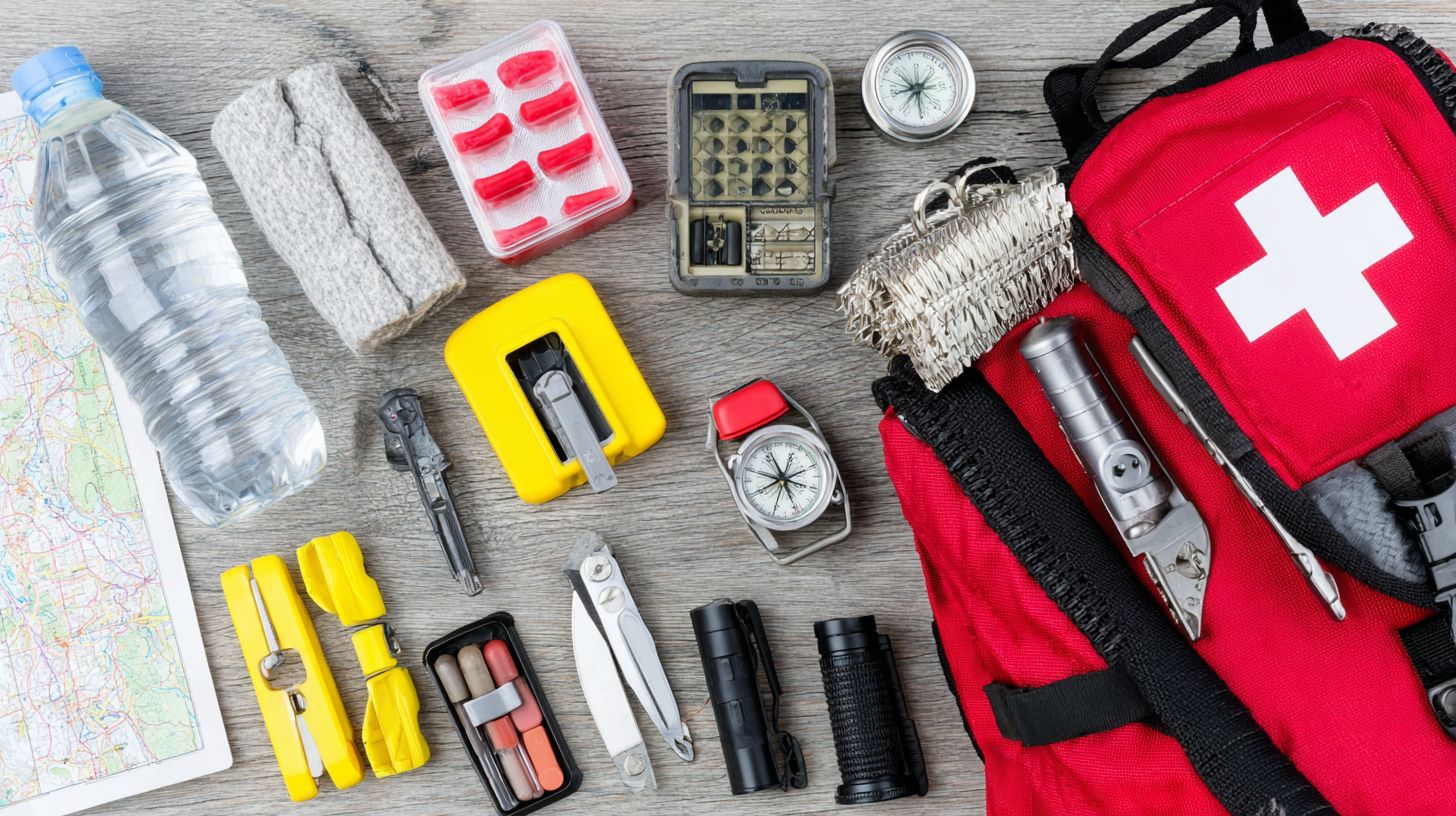
The human body survives only 72 hours without water. CDC recommends 1 gallon per person per day for drinking and cooking in emergencies. In survival preparedness, securing clean water is a top priority for your bug out bag or 72-hour kit.
Procure water from streams, rain, or stored jugs in your emergency kit. Always plan for water purification to remove harmful pathogens. Beginners should practice methods at home before a crisis.
Compare these six common purification methods in the table below. Each targets bacteria, viruses, and protozoa differently. Choose based on your needs for water filter or chemical options in wilderness survival or urban scenarios.
| Method | Key Features | Pathogens Removed | Flow Rate/Cost |
|---|---|---|---|
| Boiling | 99.9% kill rate, 1 min per 1000ft elevation | Bacteria, protozoa | Batch process/$0 |
| Sawyer Mini filter | 100,000 gal lifetime | Bacteria, protozoa | 1L/min/$25 |
| Aquatabs | 4L in 30min | Bacteria, viruses | Batch/$10/100 tabs |
| UV SteriPen | 99.999% effective | Bacteria, viruses, protozoa | 1L/90sec/$80 |
| Bleach | 8 drops/gal, EPA approved | Bacteria, viruses | Batch/low cost |
| SODIS solar | 6hrs sunlight, WHO validated | Bacteria, protozoa | Batch/$0 |
Store water in 5-gallon buckets with gamma lids for long-term use. Rotate supplies every six months to maintain freshness. Pair with a rainwater collection system for off-grid living.
Top Methods for Clean Water
Sawyer Mini filter removes 99.99999% bacteria and protozoa. It filters up to 100,000 gallons for under $25 according to CDC field tests. This makes it ideal for a beginner’s water filter in your emergency kit.
Here are five top methods ranked for ease and effectiveness. Follow step-by-step instructions for each. Include them in your bug out bag alongside purification tablets and a multi-tool.
- Sawyer Squeeze: Fill the pouch with water, attach to bottle, squeeze at 1L per minute. Removes Giardia 99.9%, Crypto 99%.
- Aquamira drops: Add 7 drops A + 7 drops B per liter, wait 5 minutes. Effective against viruses and bacteria for quick field use.
- Boiling: Bring to rolling boil for 1 minute, let cool. Kills most pathogens; use a metal pot from your fire starter kit.
- Katadyn BeFree: Fill the 500ml flex bottle, squeeze or drink. Costs around $45, lightweight for hiking in wilderness survival.
- LifeStraw: Drink directly through straw, up to 4,000L capacity. Removes bacteria and parasites without batteries.
For storage, set up a 5-gallon bucket system with a spigot. Add paracord for securing lids. Practice rationing to stretch supplies during power outages or natural disasters.
Food Storage and Foraging
FEMA recommends 2 weeks minimum food storage: 2,000 calories/person/day using MREs (1,250 cal/meal) and canned goods with 25-year shelf life options. Start with simple methods like bucket rotation in 5-gallon Gamma Seal buckets for about $20 each. Rotate contents every six months to keep food fresh.
Stock MRE cases with 12 meals for around $90 to provide quick, no-cook energy during power outages. Pair them with Augason Farms freeze-dried foods in #10 cans that last up to 25 years. These options fit well in your emergency kit or bug out bag.
For long-term needs, invest in a 16-quart pressure canner for about $150 to preserve home-grown produce safely. This builds self-reliance in survival preparedness. Always check seals and store in cool, dry places.
Learn foraging to supplement stores by identifying plants like dandelion, cattail, and clover with a Peterson Field Guide. Aim for 14,000 calories per person per week through a mix of stored non-perishable food and wild edibles. Practice in safe areas to avoid toxic look-alikes.
Long-Term Stockpiling Tips
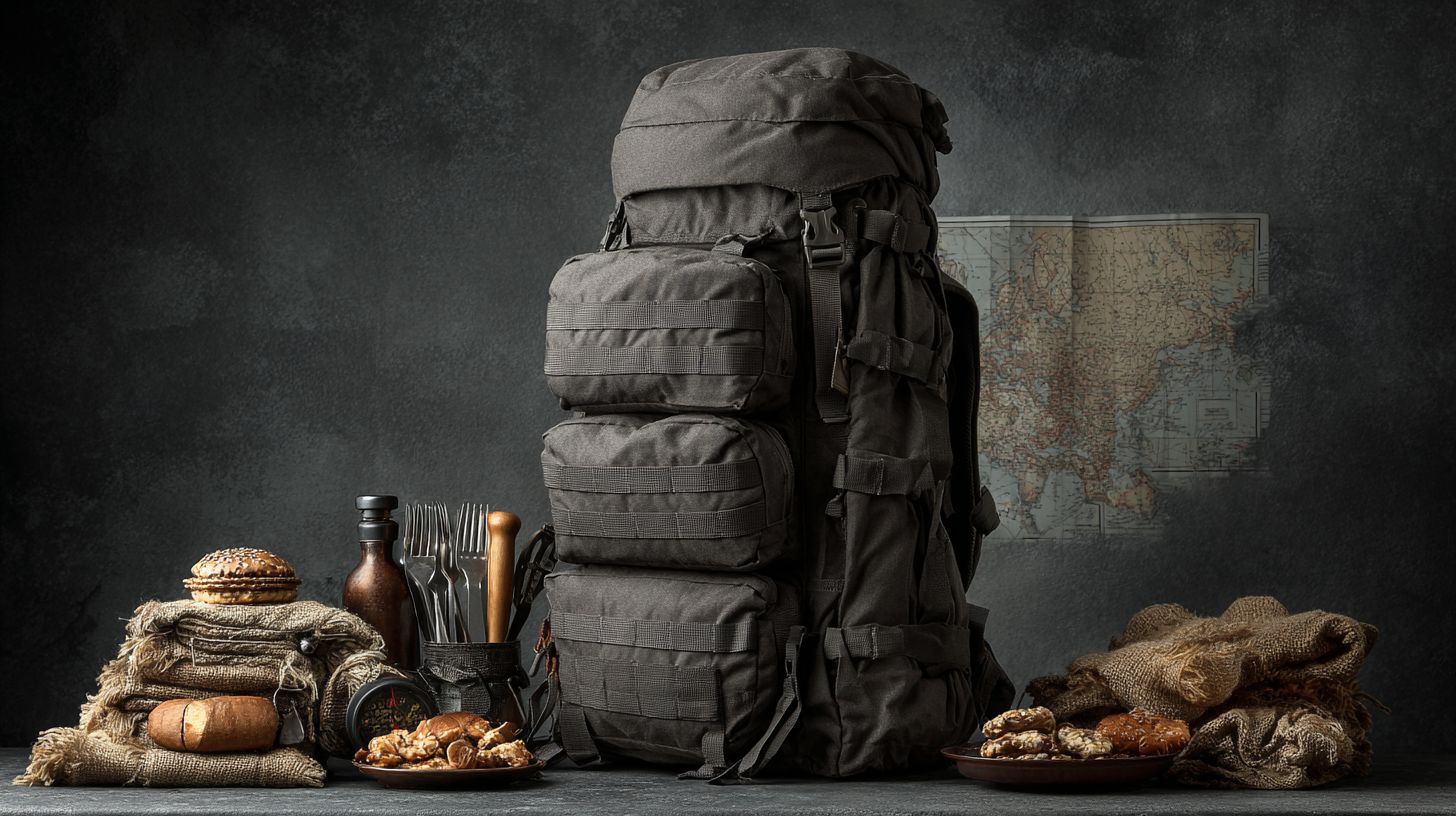
Mountain House freeze-dried meals maintain strong nutritional value after 30 years when stored at 60 degreesF in #10 cans costing $80-120 per case. Use FIFO rotation by marking dates with a Sharpie on all containers. This ensures oldest items get used first in your 72-hour kit or home stockpile.
Pack Mylar bags with O2 absorbers to extend rice shelf life up to 30 years. Opt for #10 cans, equivalent to seven 1-gallon units, for grains and beans. Add a $60 Nesco dehydrator to process fruits and vegetables from your garden.
Master pressure canning with an All-American 16.5-quart model for meats and low-acid foods. Buy wheat in superpails, 6-gallon buckets at about $4 per pound, for baking bread off-grid. These steps support homesteading and off-grid living.
- Calculate needs: 2,400 calories/day x 90 days equals about 194 pounds per person.
- Create an inventory spreadsheet template with columns for item, quantity, expiration date, and location.
- Store in pest-proof areas with moisture control and regular checks.
- Combine with water purification plans for complete long-term storage.
First Aid and Medical Kit Essentials
A Tier 1 IFAK with CAT tourniquet, hemostatic gauze, and chest seals treats most common traumatic injuries in survival preparedness. These items form the core of any first aid kit for beginners building a bug out bag or 72-hour kit. Stock them to handle emergencies from natural disasters to wilderness survival.
Organize your emergency kit by injury type for quick access. For bleeding control, include a CAT tourniquet and Celox gauze. Chest wounds need Hyfin chest seals, while fractures require a SAM splint.
Burns call for BurnTec sheets, and airway issues demand a nasal pharyngeal airway or NPA. Do not forget medications like a short supply of fish antibiotics and painkillers such as Ibuprofen. Experts recommend American Red Cross certification for proper training on these tools.
Build redundancy into your kit with gloves, shears, and a marker for tourniquet times. Practice packing it into your bug out bag for fast deployment during SHTF scenarios. Regular checks ensure nothing expires in your long-term storage.
Handling Common Injuries
Apply tourniquet 2-3 inches above wound within 60 seconds for effective bleeding control, as taught in Stop the Bleed protocols. Tighten until arterial flow stops, then note the time on the patient. This saves lives in urban survival or wilderness settings.
For chest wounds, use a gloved finger to block air entry first. Apply a chest seal taped on three sides to allow air escape. Monitor breathing closely after sealing.
- Fractures: Stabilize with SAM splint, padding bony areas first. Check circulation, sensation, and movement below the injury every 15 minutes.
- Burns: Cool with room temperature water for 20 minutes. Cover loosely with sterile dressing, avoiding butter or ointments.
- Hypothermia: Remove wet clothes, wrap in mylar blanket. Share body heat if needed.
Address shock by elevating legs 12 inches, keeping the person warm and calm. Follow a Stop the Bleed flowchart: assess scene safety, check responsiveness, control bleeding, then call for help. Integrate these steps into family communication plans and drills for resilience.
Basic Shelter and Fire Skills
A debris-insulated A-frame shelter using 8×10′ tarp maintains 20 degreesF warmer than ambient temperature per US Army FM 3-05.70. In survival preparedness, mastering basic shelter keeps you alive by blocking wind, rain, and cold. Practice these skills in your backyard to build confidence for wilderness survival.
Four essential shelter types suit different environments. Start with the tarp A-frame using a ridge line at 5 feet for headroom. The lean-to works as a wind block against prevailing gusts.
Next, build a debris hut with 12 inches of leaves or pine needles for insulation to trap body heat. For snowy conditions, dig a snow cave with a sleeping platform raised above the floor. Always check for ventilation to avoid carbon monoxide buildup from any fire inside.
Fire skills pair with shelter for warmth and cooking. Use the tinder hierarchy: fine shavings first, then pencil-lead bark, followed by twigs. Five methods include ferro rod struck at 30 degrees, bow drill with 1-inch spindle and baseboard notch, hand drill for friction, lens method focusing sunlight, and battery wool sparking with steel.
Quick Shelter Builds
Build a tarp A-frame shelter in 8 minutes using 100ft paracord and 8×10′ silnylon tarp that withstands 30mph winds. This setup fits in your bug out bag or 72-hour kit. Reference SAS Survival Handbook diagrams for precise angles.
Materials list includes paracord 550, carabiners, and prusik knots for adjustments. Secure with guy lines at 45 degrees from the ridge line 4-5 feet high. Test stability before entering.
- For A-frame: Tie ridge line between two trees at 4-5 feet, drape tarp over, stake corners with guy lines at 45 degrees.
- Windward lean-to: Face back to wind, prop long side with pole, add reflector fire in front for heat bounce.
- Tarp hammock: Suspend with whoopie slings between trees, knot ends securely for off-ground sleep.
- Poncho hooch: Use headquarters knot on grommets, stretch over A-frame poles for quick cover.
Practice these in varied weather to refine your emergency shelter speed. Pair with a sleeping bag and mylar blanket for extra warmth. Include paracord and a multi-tool in your kit for reliable builds.