
Imagine a relationship where misunderstandings vanish and connection deepens effortlessly. Happy couples master this through deliberate communication habits, backed by John Gottman’s decades of research on lasting love.
Why does it matter? These practices foster trust, intimacy, and resilience amid life’s chaos.
Discover how active listening, daily appreciation, “I” statements, regular check-ins, nonverbal cues, constructive conflict, and sharing dreams can transform your bond.
Active Listening

Active listening builds emotional intimacy and trust in happy couples. Research suggests it strengthens relationship satisfaction through deeper connections. Partners who master it report stronger bonds.
This skill turns everyday talks into meaningful conversations. It shows your partner they matter. Practice it to improve communication habits.
Follow these 7 steps to master active listening. Commit to daily practice for better conflict resolution and harmony.
- Maintain eye contact. Hold it for most of the conversation to show full attention.
- Nod and use verbal affirmations like “I see” or “That makes sense”.
- Paraphrase back what you hear, such as “What I hear you saying is…”.
- Ask open-ended questions. Try curiosity prompts like “What was that like for you?”.
- Avoid interrupting. Count to three mentally before responding.
- Mirror body language subtly to build rapport.
- Validate feelings with phrases like “That sounds really frustrating”.
For example, when Sarah shared work stress, her partner reflected: “It sounds exhausting to handle those deadlines alone – is that right?” This simple technique de-escalated tension instantly. It fostered emotional connection.
A common mistake is offering solutions too soon. Experts recommend listening first to build trust. Premature advice can hinder open dialogue.
Practice these steps for 10 minutes daily over two weeks. You will notice improved partnership dynamics and mutual respect. Happy couples make active listening a core habit.
Expressing Appreciation Daily
Couples who express daily appreciation build stronger emotional connections. This habit fosters relationship satisfaction through consistent positive reinforcement. Happy couples make it a core part of their communication habits.
Gratitude practice helps partners feel valued and seen. It counters negativity and promotes mutual respect. Simple acts of thanks deepen emotional intimacy over time.
Experts like those following Gottman principles highlight how appreciation fills the emotional bank account. This supports trust building and resilience in the relationship. Couples who prioritize it report more marital harmony.
Best Practices for Daily Appreciation
Incorporate these six specific daily practices to strengthen your bond. They encourage appreciative language and positive reinforcement. Start small for lasting impact on your happy relationship.
- Use “thank you” three times daily for specific actions, like “Thanks for making coffee, it started my day perfectly.” This highlights concrete efforts and builds reciprocal appreciation.
- Send one appreciative text midday, such as “Loving how you handled that meeting.” It maintains connection during busy days and boosts emotional connection.
- End the day with a highlight reel, sharing one of your partner’s best moments. This creates pillow talk rituals focused on joy and couple bonding.
- Keep a shared gratitude journal reviewed weekly. Note daily wins together to foster gratitude practice and shared vulnerability.
- Verbalize character traits regularly, like “I appreciate your patience.” This affirms core qualities and enhances validation techniques.
- Aim for a 5:1 ratio of positive-to-negative comments, a key Gottman principle. It ensures positive perspective dominates your interactions.
For example, Mark texts his wife: “Your laugh during dinner made my whole day.” This simple habit transformed her sense of happiness in their partnership. Track your progress with the free app Gratitude on iOS or Android to monitor relational maintenance.
Using “I” Statements
“I” statements help happy couples express needs without blame. They promote effective communication and reduce defensiveness in discussions. This approach builds emotional intimacy and trust.
Research suggests “I” statements lower conflict escalation in relationships. Couples using them often see quicker conflict resolution. Experts recommend them for relationship satisfaction.
The core formula is simple: When [specific situation], I feel [emotion] because [reason], I need [request]. This structure focuses on your experience. It encourages open dialogue and mutual respect.
A common mistake is mixing in blame, like saying “You make me feel…”. Stick to your feelings and needs instead. This keeps talks productive and strengthens couple bonding.
The DEAR MAN Formula
The DEAR MAN formula expands “I” statements for assertive communication. It stands for Describe, Express, Assert, Reinforce, Mindful, Appear confident, Negotiate. Happy couples use it for de-escalation strategies and validation techniques.
Start by Describe the situation factually. Then Express your feelings, Assert your need, and Reinforce the benefit. Stay Mindful, appear confident, and be ready to Negotiate.
Template example: When the dishes pile up, I feel overwhelmed because I work late, I need us to share cleanup. This avoids criticism. It fosters empathy expression and partnership.
Practice this weekly for marital harmony. A 15-minute session yields noticeable results in two weeks through consistent use.
Real Examples: Before and After

Bad example: “You never help with chores!” This triggers defensiveness. It blocks deep listening and escalates tension.
Good version: “When laundry overflows, I feel stressed because my day is long, I need us to divide tasks.” This invites collaboration. It supports mutual respect and understanding.
Before: Partner snaps back, argument grows. After: Partner nods, suggests a plan. Defensiveness drops, leading to quicker resolutions.
Practice Scenarios
Scenario 1: Work frustration. Try: “When you dismiss my tough day, I feel unheard because I need support, I need you to listen first.”
Scenario 2: Intimacy needs. Say: “When we skip date nights, I feel disconnected because closeness matters to me, I need quality time weekly.” This builds emotional connection.
Scenario 3: Household chores. Use: “When trash overflows, I feel burdened handling it alone, I need a shared schedule.”
- Discuss one scenario per practice.
- Switch roles to build perspective taking.
- End with positive feedback.
Role-Play Exercise
Partners practice three “I” statements each weekly. Set a timer for 15 minutes. Focus on tone and eye contact for sincerity.
Example dialogue before: “You ignore me!” Response: “That’s not true!” After: “When plans change last minute, I feel disappointed, I need advance notice.” Response: “I get that, let’s plan better.”
This exercise enhances repair attempts and responsive communication. Over time, it deepens secure attachment and joyful partnership.
Regular Check-Ins
Regular check-ins boost emotional connection in happy couples. These structured moments act as deposits in your emotional bank account, fostering trust and understanding. Experts recommend daily micro-check-ins of just 2-3 minutes alongside weekly deeper sessions to keep small issues from escalating.
Daily check-ins might involve a quick question like “What was the highlight of your day?” during dinner. This practice builds active listening habits and ensures both partners feel valued. Over time, it strengthens relationship satisfaction through consistent open dialogue.
Weekly meetings allow for more depth, covering appreciations and stressors. Couples who prioritize these rituals report higher marital harmony. Use them to practice validation techniques, turning towards each other’s bids for connection.
Implement this Gottman-inspired approach by setting reminders. Focus on positive reinforcement and empathy expression to nurture emotional intimacy. Happy couples make these check-ins a cornerstone of their communication habits.
Weekly Relationship Meetings
Weekly 45-minute relationship meetings help happy couples maintain strong bonds. Schedule them as a recurring event to prioritize quality time. This ritual promotes relational maintenance and prevents misunderstandings from building.
Follow this numbered agenda for structure:
- State-of-the-union: Share happiness scores from 1-10.
- Wins and appreciations: Take 3 minutes each to highlight positives.
- Check action items from last week.
- Current stressors: Practice listening without fixing.
- Future plans and dreams.
- Intimacy check-in.
- Set 3 actionable items for the week ahead.
Start with a script like “On a scale of 1-10, how connected do you feel this week?” Lisa and Tom, for example, hold theirs Sundays at 7pm. Their average scores rose noticeably after eight weeks of consistency.
Pro tip: Create a phone-free zone to enhance attentive presence. Use “I” statements for honest conversations and end with appreciative language. This fosters mutual respect and deepens emotional intimacy in your partnership.
Nonverbal Communication
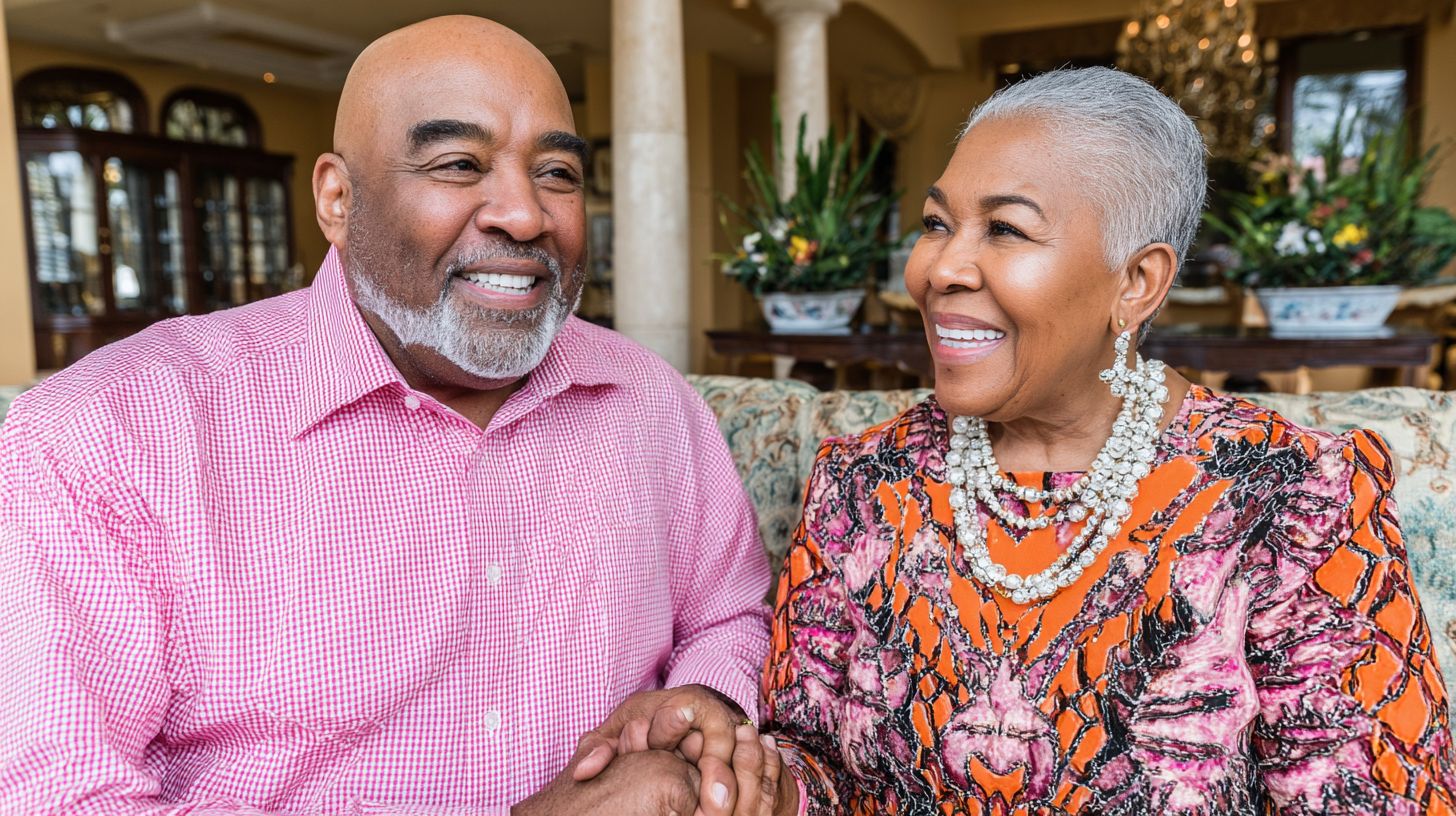
Nonverbal cues play a vital role in communication for happy couples. Research suggests these signals often carry more weight than words alone. They help build emotional intimacy and trust through everyday interactions.
Experts recommend focusing on body language to strengthen partnership dynamics. Subtle habits like posture and touch foster relationship satisfaction. Couples who master these see deeper connections.
UCLA research on thin-slicing shows strangers can predict relationship success from just 30 seconds of silent video. This highlights how nonverbal communication reveals true feelings. Daily practice enhances couple bonding.
Try this daily challenge: mirror your partner’s posture during your next three talks. It builds rapport naturally. Over time, it supports marital harmony and responsive communication.
Eye Contact
Maintain steady eye contact during conversations to boost oxytocin levels. Happy couples hold it for much of the talk time. This simple habit deepens emotional connection.
Look into your partner’s eyes while sharing daily experiences. It shows attentive presence and active listening. Avoid distractions to make moments count.
Practice during daily check-ins or pillow talk. Over time, it strengthens secure attachment. Partners feel truly seen and valued.
Affectionate Touch
Incorporate affectionate touch like hugs lasting over 20 seconds multiple times a day. This releases feel-good hormones in happy couples. It nurtures emotional intimacy effortlessly.
Hug after work or before bed without words. A quick shoulder rub during talks works too. These touches build the emotional bank account.
Make it a ritual, like eight meaningful hugs daily. It supports trust building and reduces stress. Couples report stronger bonds from this practice.
Facial Mirroring
Use facial mirroring by subtly mimicking your partner’s expressions. This builds rapport in effective communication. It creates a sense of unity without effort.
If they smile, let your face reflect it naturally. During serious talks, match their concern. This fosters empathy expression and mutual understanding.
Observe in casual chats over coffee. It enhances bid for connection moments. Partners feel more synchronized over time.
Open Posture
Adopt open posture with uncrossed arms and legs facing your partner. This signals receptivity in happy couples. It invites open dialogue and vulnerability.
Sit or stand without barriers during discussions. Lean in slightly to show interest. This body language aids conflict resolution.
Check your stance in mirrors or ask for feedback. Consistent practice promotes mutual respect. It makes honest conversations feel safer.
Tone of Voice

Infuse your tone of voice with warmth during most interactions. Happy couples balance it with neutral tones as needed. This conveys love beyond words.
Speak softly and kindly during quality time. Avoid harsh edges even in disagreements. Warmth supports validation techniques.
Record a conversation to self-assess. Adjust for more positivity. It boosts relationship satisfaction and joyful partnership.
Handling Conflict Constructively
Couples who repair conflicts within 24 hours see stronger bonds, according to Gottman’s 40-year study. Happy couples turn fights into growth moments with constructive feedback. They focus on conflict resolution to boost emotional intimacy.
The Four Horsemen derail relationships: criticism, contempt, defensiveness, and stonewalling. Each has a proven antidote from Gottman principles. Mastering these builds relationship satisfaction.
Repair attempts save arguments. Couples using timeouts succeed in de-escalation often. This leads to marital harmony and trust building.
| Harmful Habit | Antidote |
|---|---|
| Criticism | Gentle Startup |
| Contempt | Build Culture of Appreciation |
| Defensiveness | Take Responsibility |
| Stonewalling | Physiological Self-Soothing |
Four Steps for Effective Repair
Follow these numbered repair steps during heated moments. They promote de-escalation strategies and repair attempts. This fosters emotional connection.
- Call a timeout for at least 20 minutes to cool down.
- Self-soothe with deep breathing, six times in and out.
- Make a repair attempt, like saying, “This is more about me than you.”
- Reconnect with humor or affectionate touch.
Practice these in calm times for better results. They enhance active listening and open dialogue. Couples gain mutual respect through consistent use.
Real Dialogue Examples
Swap blame for “I” statements to avoid defensiveness. This builds empathy expression and validation techniques. It keeps talks respectful.
Instead of “You always ignore me!”, try “I felt disconnected during dinner. Can we try phone-free next time?” This invites compromise skills. It strengthens partnership dynamics.
Use curiosity questions like “What do you need right now?” after cooling off. This deepens emotional intimacy. Happy couples prioritize such honest conversations.
Post-fight talks with reflective listening heal wounds. Paraphrase feelings to show understanding. This ensures secure attachment and lasting harmony.
Sharing Dreams and Goals
Couples who regularly share dreams build love maps that predict relationship success. These love maps involve knowing each other’s hopes and aspirations deeply. This habit fosters emotional intimacy and strengthens partnership dynamics.
Happy couples make dream sharing a routine part of their communication habits. They discuss future visions openly without judgment. This practice builds trust and aligns their paths for long-term commitment.
Experts recommend setting aside dedicated time for these talks. One effective way is a 60-minute Dream Date. It guides couples through structured steps to explore goals together.
Real couples like Mike and Ana found success here. They discovered a shared dream of an Italy trip. Planning it together deepened their emotional connection and boosted relationship satisfaction.
60-Minute Dream Date Agenda
Schedule a weekly or monthly Dream Date for focused future planning. This ritual enhances couple bonding through open dialogue. Keep the atmosphere relaxed with no interruptions.
- Share individual 5-year visions for 10 minutes each. Speak freely without judgment. Practice active listening to validate feelings.
- Create a shared bucket list together for 15 minutes. Brainstorm fun ideas like adventures or home projects. Build excitement through collaborative mindset.
- Brainstorm obstacles for 10 minutes. Identify potential roadblocks honestly. Discuss de-escalation strategies calmly.
- Outline action steps for the top 3 dreams in 15 minutes. Assign small, achievable tasks. Use “I” statements for needs expression.
- Plan monthly dream check-ins for 10 minutes. Set a recurring date to review progress. Celebrate small wins with appreciative language.
Template Questions for Deep Conversations
Use these prompts to spark meaningful conversations during your Dream Date. They encourage shared vulnerability and empathy expression. Tailor them to your relationship stage.
- What’s your ideal adventure together? This reveals travel dreams and quality time preferences.
- How do you envision retirement? It uncovers long-term goals like lifestyle or location.
- What personal growth do you hope for in five years? This fosters mutual respect and supportive words.
- How can we support each other’s biggest aspirations? It builds teamwork spirit and reciprocal understanding.
Rotate questions each session to maintain freshness. This keeps dialogue depth high and prevents routine talks.
Quarterly Review Schedule
Hold a quarterly review every three months to assess progress on shared goals. Reflect on achievements and adjustments needed. This reinforces relational maintenance and enduring love.
Start with gratitude practice for past efforts. Review action steps from your last Dream Date. Use reflective listening to paraphrase each other’s updates.
Adjust plans with compromise skills. End by reaffirming commitment to top dreams. Research suggests couples with aligned goals experience greater marital harmony.