
Imagine unlocking boundless energy and vibrant health without drastic changes. You already know fatigue and sluggishness drain your potential, yet Harvard studies confirm simple habits transform vitality.
Discover how to start with hydration, move daily, eat nutrient-dense foods, prioritize sleep, and practice mindfulness-effortless shifts for sustained wellness. Ready to feel unstoppable?
Start with Hydration

Drinking 16 oz of water within 30 minutes of waking increases your metabolic rate by 30% and improves cognitive function by 14%, per University of Connecticut research. This simple morning ritual kickstarts your hydration habit and sets the tone for better health and energy. Make it a daily habit by adding a squeeze of lemon and a pinch of Himalayan salt for electrolytes.
Calculate your daily water intake with this formula: divide your weight in pounds by 2 to get ounces needed. For a 175-pound person, that means about 87.5 ounces each day. Spread it out to avoid overload and maintain steady energy levels.
Follow this timing schedule for consistent hydration: 8am, 10am, 12pm, 3pm, and 6pm. Use tools like the HidrateSpark PRO, which glows as a reminder, or the free WaterMinder app to track intake. These make building the habit easier through gentle nudges.
Track progress with a 7-day log in a health journal, noting amounts and times. Watch for signs of dehydration like dry mouth, fatigue, or dark urine, and adjust as needed. Consistency in this routine boosts vitality, mental clarity, and overall wellness.
- Morning: 16oz lemon water with salt upon waking.
- Mid-morning: 16oz plain water at 10am.
- Afternoon: Sip 16oz around 3pm for an energy boost.
- Evening: Final 16oz by 6pm, then taper off.
Move Your Body Daily
30 minutes of daily movement increases energy by 20% and reduces disease risk by 30%, according to CDC data analyzing 100,000+ participants. Adding simple routines like walking or stretching fits easily into busy days. This habit boosts energy levels and supports better health over time.
Create a daily movement menu to keep things fresh. Choose one option each day, such as aiming for 10,000 steps tracked with a Fitbit Charge 6 at $159, a 20-minute HIIT session using the free 7min workout app, 15 minutes of yoga via the Down Dog app for $9.99 per year, or a bodyweight circuit with three sets of pushups, squats, and planks.
Make hourly desk stretches non-negotiable, even for just five minutes. Track progress with an Apple Watch Series 9 at $399 or the free Pedometer++ app. Start with three sessions per week in week one, building to daily by week four for steady gains in vitality.
- Track steps during lunch walks or commutes for an easy walking routine.
- Pair HIIT with music for a quick cardio workout boost.
- Use yoga for flexibility gains and mental clarity.
- Do bodyweight exercises anywhere to build muscle tone.
Eat Nutrient-Dense Foods

Swapping processed foods for nutrient-dense whole foods supports steady energy and cuts inflammation. Research suggests this shift stabilizes blood sugar and boosts vitality. Experts recommend focusing on foods high in nutrient density scores from databases like Cronometer.
Use the plate method for balanced meals: fill half your plate with vegetables, one-quarter with lean protein, and one-quarter with whole grains. Add healthy fats to veggies for extra flavor and absorption. This simple routine promotes better health and sustained energy.
Research on the satiety index shows potatoes keep you fuller longer than white bread. Choose whole foods like leafy greens, fatty fish, and berries for maximum nutrition per calorie. Track intake with apps to prioritize these options daily.
Incorporate daily habits like portion control and mindful eating. This approach enhances energy levels, supports gut health, and builds long-term wellness through small, consistent changes.
Balanced Meals
Build meals around these 10 highest nutrient-density foods: spinach, salmon, blueberries, quinoa, kale, eggs, sweet potatoes, chia seeds, broccoli, and oats. These provide vitamins, minerals, and fiber for energy boost. Prioritize them in your simple routines for better health.
Follow this 7-day meal plan with exact portions: 3oz protein, 1 cup veggies, cup grains. Prep times stay under 15 minutes for easy integration. Use apps like MyFitnessPal, free to download, to track macros around 40% carbs, 30% protein, 30% fat.
| Day | Breakfast | Lunch | Dinner |
|---|---|---|---|
| Monday | Oatmeal with chia seeds and berries ( cup oats, 1 tbsp chia, cup berries) | Salmon with kale and quinoa (3oz salmon, 1 cup kale, cup quinoa) | Eggs with broccoli and sweet potato (2 eggs, 1 cup broccoli, sweet potato) |
| Tuesday | Oatmeal with chia seeds and berries | Salmon with kale and quinoa | Eggs with broccoli and sweet potato |
| Wednesday | Oatmeal with chia seeds and berries | Salmon with kale and quinoa | Eggs with broccoli and sweet potato |
| Thursday | Oatmeal with chia seeds and berries | Salmon with kale and quinoa | Eggs with broccoli and sweet potato |
| Friday | Oatmeal with chia seeds and berries | Salmon with kale and quinoa | Eggs with broccoli and sweet potato |
| Saturday | Oatmeal with chia seeds and berries | Salmon with kale and quinoa | Eggs with broccoli and sweet potato |
| Sunday | Oatmeal with chia seeds and berries | Salmon with kale and quinoa | Eggs with broccoli and sweet potato |
Grocery list essentials: 2 salmon fillets, 1lb spinach or kale, 1qt blueberries, oats, chia seeds, quinoa, eggs, broccoli, sweet potatoes. Focus on whole grains, lean proteins, and vegetables for balanced diet benefits. Recipes involve steaming veggies, baking protein, and quick grain cooking.
Prioritize Sleep

Research suggests that 7-9 hours of quality sleep supports better memory and overall health. Adults benefit from aiming for this range nightly to maintain energy levels and vitality. Consistent rest forms a cornerstone of simple daily habits for better health.
Stick to a consistent sleep schedule, such as bedtime around 10pm and wake time at 6am, allowing a 30-minute window. This routine aligns your circadian rhythm and improves restorative sleep. Track progress with a health journal or wearable tech like the Oura Ring Gen3.
Build a 60-minute wind-down routine starting at 8pm. Avoid screens or use blue light blockers, dim lights by 9pm, and read a physical book from 9:30pm. These steps promote deeper sleep through better sleep hygiene.
Optimize your bedroom setup for success. Keep the temperature at 65 degreesF, install blackout curtains, and use a white noise machine. In the morning, get 15 minutes of sunlight within one hour of waking to reset your internal clock.
Sleep Schedule Template
Follow a simple template for bedtime routine and wake-up time. Aim for the same bedtime and wake time within 30 minutes, ideally 10pm to 6am. This consistent sleep schedule builds better health over time.
- Set a fixed bedtime, like 10pm, every night.
- Wake at 6am, even on weekends, to stabilize energy.
- Use habit stacking, pairing bedtime with brushing teeth.
Track adherence with a fitness tracker for progress tracking. Small changes like this lead to sustained energy boosts. Adjust gradually for long-term wellness.
Evening Wind-Down Routine
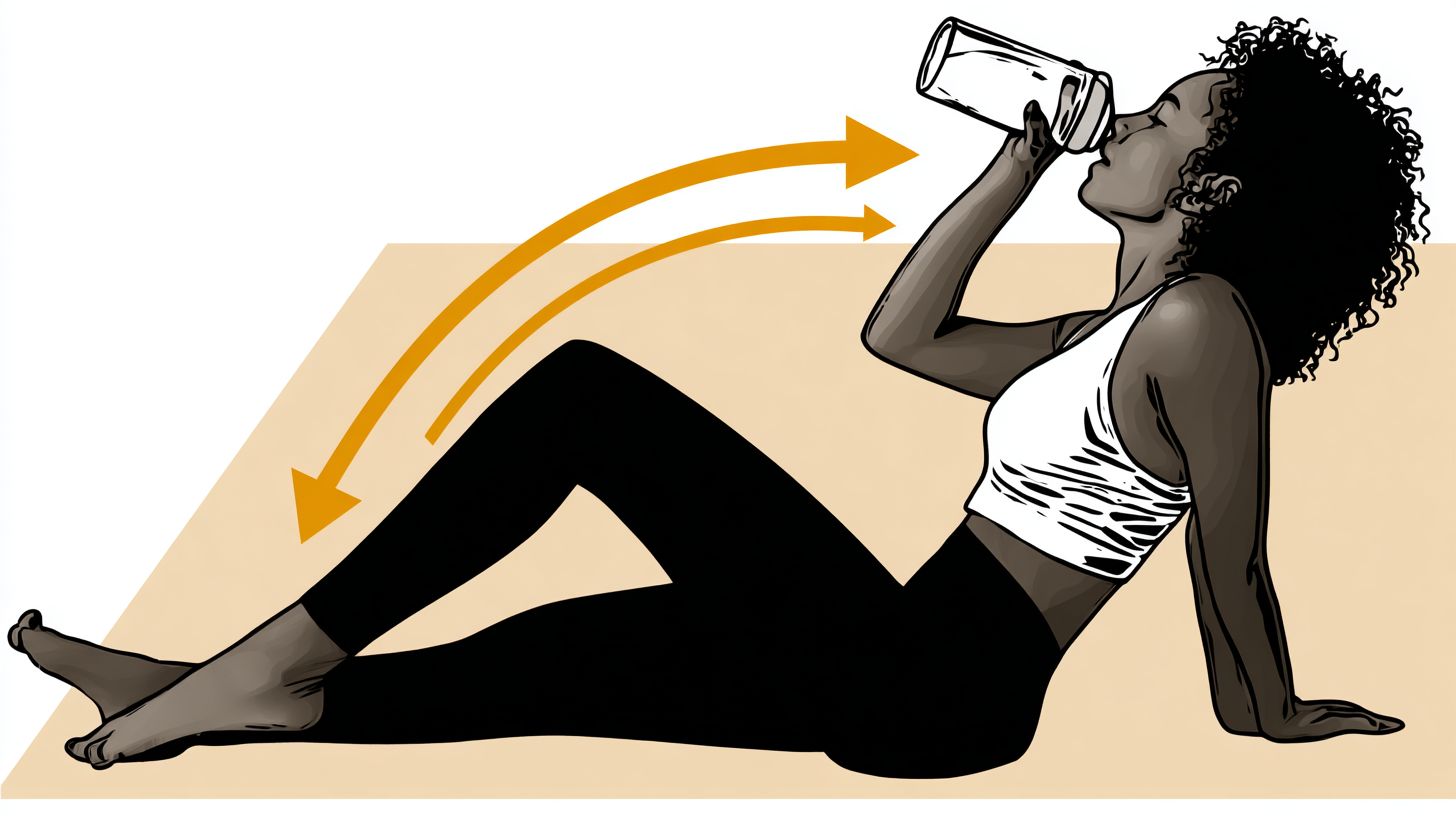
Start your 60-minute wind-down at 8pm by ditching screens. Blue light blockers help if needed. This cuts blue light exposure for improved melatonin production.
At 9pm, dim the lights and relax. By 9:30pm, pick up a physical book instead of digital devices. These steps enhance sleep hygiene and mental clarity.
- No screens after 8pm.
- Dim lights and sip herbal tea at 9pm.
- Read for 30 minutes in low light.
Bedroom Optimization
Create an ideal sleep environment at 65 degreesF with blackout curtains blocking all light. Add a white noise machine to drown out noise. These tweaks support deeper, uninterrupted rest.
Reserve the bedroom for sleep only to train your brain. Keep it cool, dark, and quiet for restorative sleep. Comfortable bedding aids recovery.
Avoid clutter to reduce stress. This setup boosts sleep quality and daily energy.
Morning Sunlight Ritual
Expose yourself to 15 minutes of sunlight within one hour of waking. Step outside for fresh air or sit by a window. This morning ritual regulates your circadian rhythm.
Combine with deep breathing for added stress management. It kickstarts energy and mood enhancement. Make it a non-negotiable daily habit.
Nap Guidelines
Limit naps to 20 minutes before 2pm for an energy boost without disrupting nighttime sleep. Set a timer and nap in a quiet spot. This power nap supports focus improvement.
Avoid longer or later naps to protect your consistent sleep schedule. Use it as a tool for recovery during busy days. Track how it affects your vitality.
Practice Mindfulness
Research suggests that a 10-minute daily mindfulness routine can lower stress levels and sharpen focus. This simple practice fits easily into busy schedules for better health and sustained energy. Start today to notice clearer thinking and calmer responses.
Follow this daily 10-minute routine: begin with 3 minutes of box breathing using a 4-4-4-4 count, inhale for four, hold for four, exhale for four, hold for four. Next, spend 4 minutes on a guided meditation from the Headspace app during its free trial period. Finish with 3 minutes of gratitude journaling, listing five things you appreciate.
Use free tools like Insight Timer with thousands of guided sessions, or the Calm app for structured practices. Set triggers such as post-meal breathing to settle digestion, or pre-bed gratitude to ease into sleep. Track progress with a weekly mood scale from 1 to 10 in a health journal.
These habits stimulate the vagus nerve, supporting heart rate variability for improved resilience. For example, Sarah built this into her morning ritual and reported steadier energy throughout her workday after consistent practice. Make mindfulness a keystone habit for long-term wellness.
Looking for a proven solution?
Check out our recommended resource here: Click here to learn more