
A blackout hits, floods rise, or roads close-your family faces chaos.One overlooked kit flips desperation into control, per FEMA’s survival stats.
You face storms, quakes, outages daily. Ready?
Discover how to assess needs, stock water/food, build first aid, grab tools/lights, secure radios/chargers, safeguard docs, and maintain it all. Your edge awaits.
Assess Your Needs
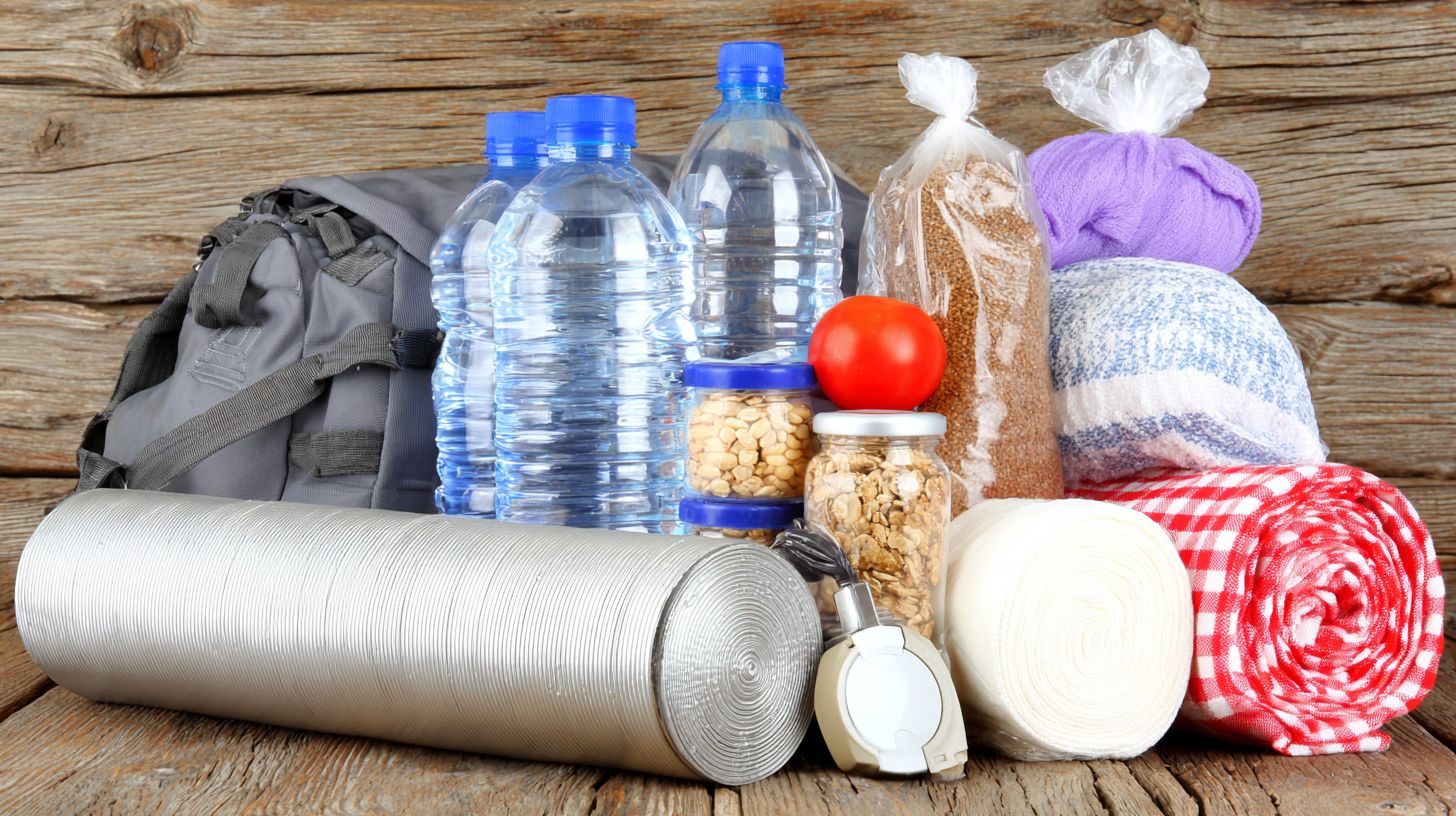
Start by identifying your local risks using FEMA’s hazard map tool, then customize for your family size and needs like infant formula for babies or pet medications for dogs. This risk assessment helps you build a reliable emergency preparedness kit matched to real threats. It takes about 45 minutes total.
First, visit FEMA’s free Risk Index Map online and check your area for the top three local threats. For example, a California family might note earthquakes, wildfires, and floods as key concerns. This step pinpoints disaster types that shape your survival kit.
Next, list your family vulnerabilities such as elderly members needing oxygen tanks, kids with allergies, or pets requiring leashes and carriers. Note special items like prescription meds, glasses, or hearing aids. These details make sure your emergency kit covers everyone.
- Use FEMA’s Risk Index Map to identify top 3 local threats.
- List family vulnerabilities like elderly oxygen needs or child allergies.
- Choose kit type: 72-hour kit for shelter-in-place or 7-day bug-out bag for evacuation.
- Create a checklist from CDC or Red Cross templates, adding custom items.
A Florida family, for instance, starts with a base kit of non-perishable food, bottled water, and first aid supplies. They add hurricane shutters and flood barriers based on their map results. This customization boosts self-sufficiency during power outages or evacuations.
Water and Food Essentials
Stock 1 gallon of water per person per day for 3 days minimum (FEMA standard), plus purification tablets like Aquatabs that treat 50 liters each. This adds up to 3 gallons per person for a 72-hour kit. Use 5-gallon jugs for easy storage in your emergency preparedness kit.
Water keeps you alive longer than food in a crisis. Store it in food-grade containers away from chemicals. Rotate it every six months to stay fresh for your survival kit.
For food, aim for 2,000 calories per person per day. That means about 9 Clif Energy Bars, 6 pouches of tuna, or 3 MREs for three days. Pick non-perishable items that fit in your go-bag without cooking.
Key Food Essentials with Long Shelf Lives
Choose foods with long shelf lives for reliability in your disaster kit. Honey lasts forever, peanut butter holds up for 2 years, and instant oatmeal stays good for 2 years too. These pack light and provide steady energy.
- Honey: Natural sweetener, antibacterial, indefinite shelf life.
- Peanut butter: High calories, protein-packed, 2-year shelf life.
- Instant oatmeal: Quick energy, 2-year shelf life.
- Energy bars: Compact, 1-2 year shelf life.
- Canned tuna pouches: Protein source, 3-5 year shelf life.
- MREs: Complete meals, 5-year shelf life.
- Dried fruits: Nutrients, 1-year shelf life.
- Nuts: Calorie-dense, 1-2 year shelf life.
Water Purification Methods
Clean water saves lives when supplies run low. A LifeStraw filters up to 1,000 gallons per unit and works without power. It’s a durable choice for your bug-out bag.
Bleach offers a cheap alternative: add 8 drops per gallon of clear water, stir, and wait 30 minutes. Use unscented household bleach at 5-6% sodium hypochlorite. Test small batches first.
Many on Reddit’s r/preppers share bulk buying tips for purification tablets and filters. They stress FEMA’s 72-hour minimum and suggest testing methods at home. Include a manual can opener for canned goods too.
Build reliability by matching these to local hazards, like extra water for hot climates in your earthquake kit or hurricane kit. Check expiration dates and rotate stock regularly for your 72-hour kit.
First Aid Kit
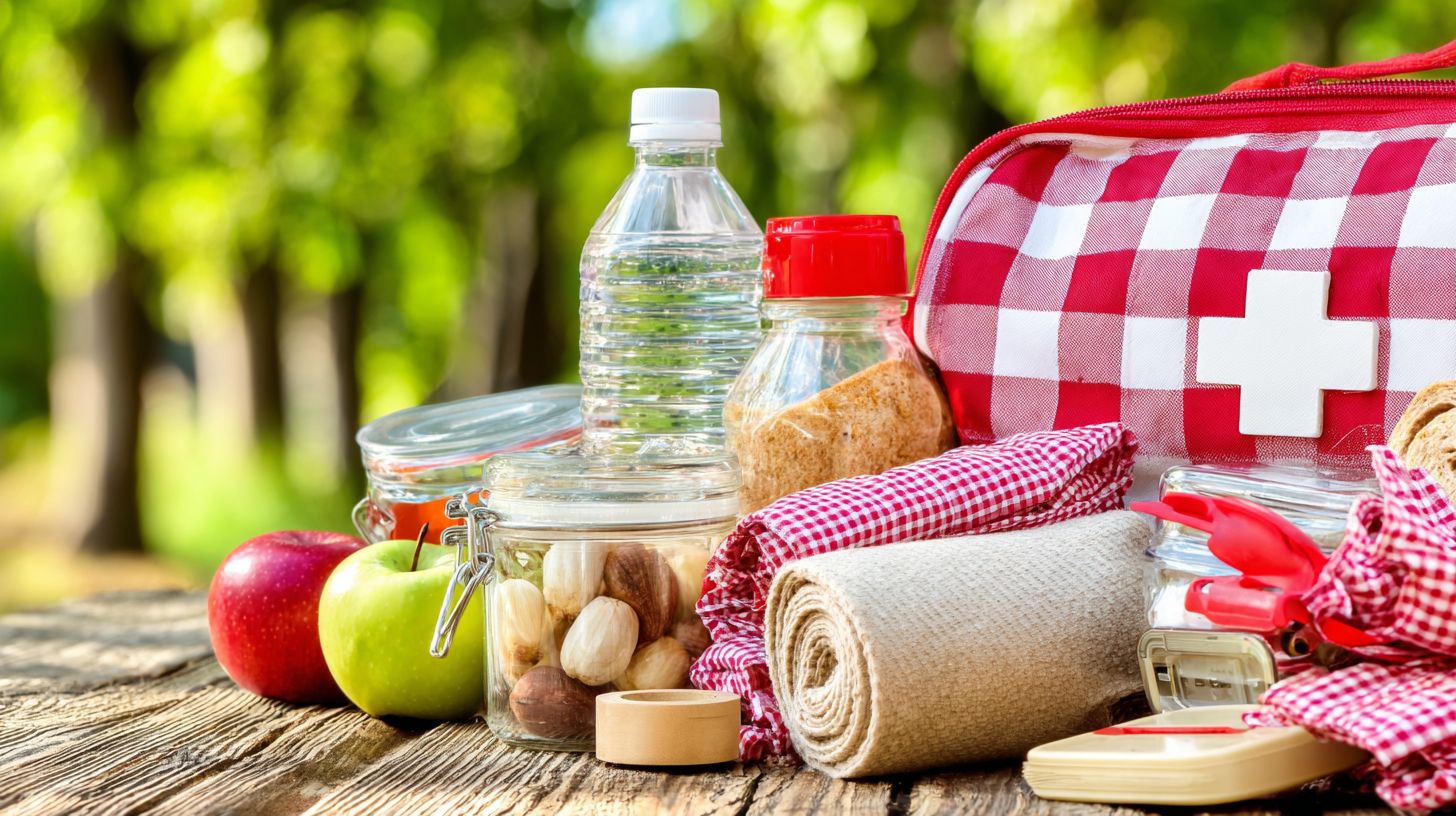
Build a kit with 100 assorted bandages, 50 antiseptic wipes, and 200 ibuprofen tablets following Red Cross specifications for a 4-person family. This forms the core of your first aid kit in any emergency preparedness kit. Keep these essentials in a waterproof container for quick access during disasters.
Stock up on pain relievers like ibuprofen for headaches or injuries, and include Benadryl for allergic reactions. Add gauze pads and rolls to cover wounds, plus medical tape to secure them. Always pack copies of prescriptions with a 7-day supply to handle medical needs in your survival kit.
Customize based on family health issues, such as EpiPens for severe allergies or glucose tablets for diabetics. Check the Red Cross First Aid App checklist for more ideas, and follow CDC wound care guidelines to clean cuts properly. Test your kit yearly by rotating expired items.
Store your first aid kit in your go-bag or emergency bag for portability. Include sanitation supplies like moist towelettes alongside these items for overall hygiene. This setup boosts self-sufficiency during power outages or evacuations.
| Item | Quantity | Purpose | Example Brand |
|---|---|---|---|
| Bandages | 100 pack | Cover minor cuts and scrapes | Nexcare $5 |
| Gauze | 4 rolls | Dress larger wounds | Curad |
| Antiseptic | 32 oz | Clean wounds to prevent infection | Benzalkonium |
| Pain relievers | 200 count | Relieve pain and fever | Advil |
| Benadryl | 24 count | Treat allergies and itching | Benadryl |
| Prescription copies | 7-day supply | Maintain ongoing medications | N/A |
| Medical tape | 2 rolls | Secure bandages and gauze | 3M |
Tools and Lighting
Pack a Leatherman Wave multi-tool ($120, 18 functions), 50ft Gorilla Tape, and Energizer AA batteries (48pk lasting 1,000hrs LED use). These form the core of your emergency preparedness kit‘s tools and lighting section. They handle cutting, repairs, and illumination during power outages or evacuations.
REI’s 10 Essentials list highlights multi-tools and lights as must-haves for any go-bag. Leatherman’s disaster response case studies show their tools aiding rescues in earthquakes and floods. Keep these durable supplies in your survival kit for quick access.
Focus on portability with a total weight of 8.2lbs for 12 essentials. This keeps your emergency bag light for mobility. Test everything regularly to keep it reliable in a crisis.
Battery types matter for your 72-hour kit. Use AA for most lights, AAA for smaller devices, D for heavy-duty lanterns, and CR123A for tactical flashlights. Stock extras to match your gear.
Cutting Tools
A Leatherman Surge 21-tools excels for cutting wire, rope, or wood in your disaster kit. Its pliers and knives handle tasks from opening cans to repairs. Pair it with a utility knife for exact cuts during shelter-in-place situations.
Leatherman’s case studies note these tools in real wildfire and hurricane responses. Choose stainless steel models for rust resistance. Store in a padded pouch to protect blades in your bug-out bag.
Repair Supplies
Gorilla Tape 35yd roll fixes tents, gear, or leaks fast. It sticks to wet surfaces better than regular duct tape in floods or storms. Add plastic sheeting and ties for temporary shelters in your preparedness supplies.
Experts recommend tape for sealing windows during tornado kits. Keep a compact roll under 1lb for easy carry. Use it alongside a sewing kit for clothing repairs on the go.
Illumination Options
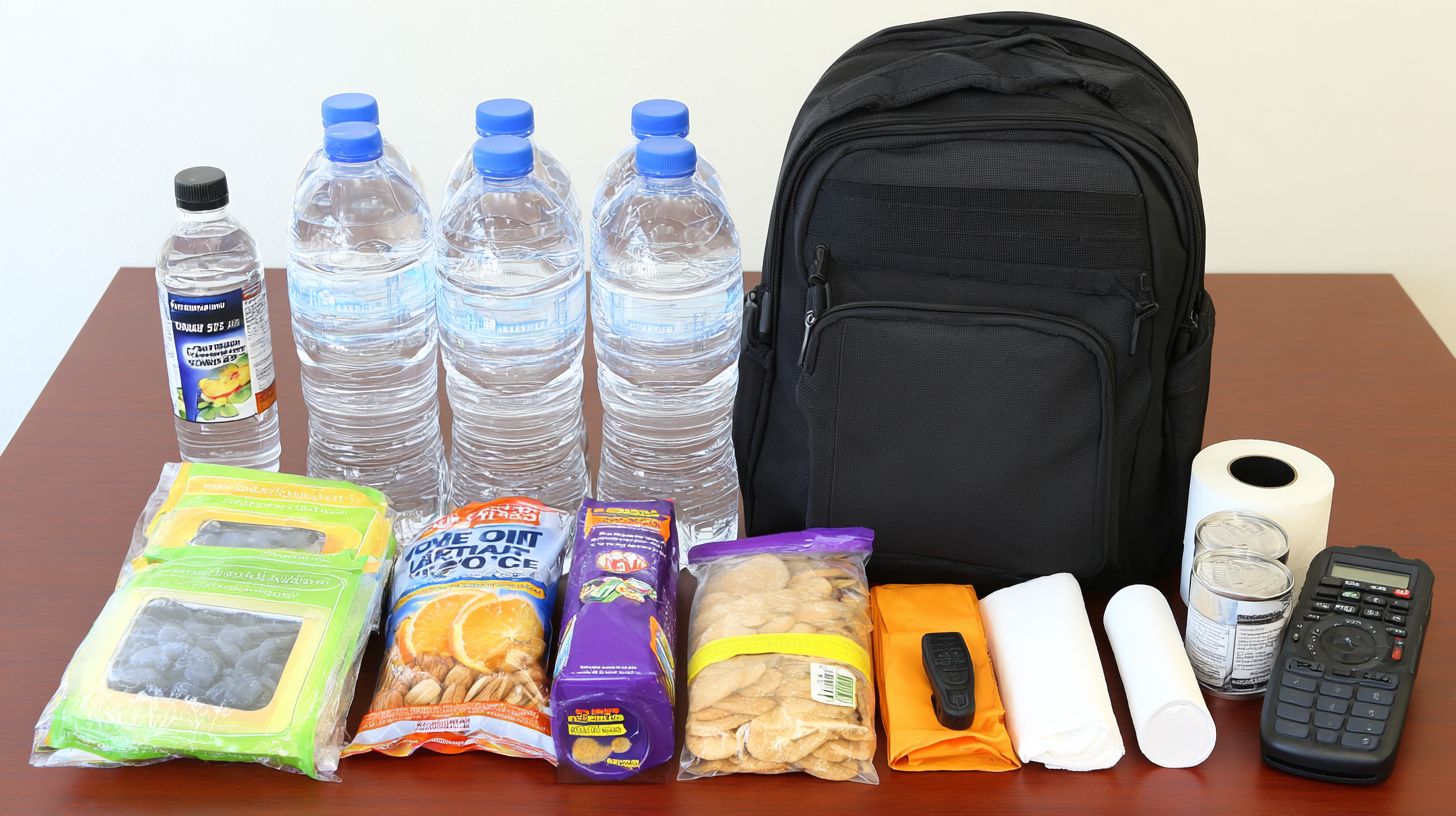
The Fenix PD36R 1200-lumen, 150hr runtime flashlight lights up paths or signals help at night. Hand-crank options work without batteries for extended power outages. Include a headlamp for hands-free use in your emergency kit.
Red Cross guidelines stress multiple light sources. CR123A batteries power high-output models reliably. Test runtime monthly to confirm your 72-hour kit stays ready.
Protection Gear
N95 masks 20pk shield from dust, smoke, or pandemics in your survival kit. Add work gloves for handling debris safely. These fit any evacuation plan or shelter-in-place setup.
FEMA suggests masks for wildfire kits and air quality issues. Store in airtight bags to maintain shape. Combine with goggles for full face protection during floods or earthquakes.
Communication Devices
You need reliable communication when cell towers fail. Stock hand-crank radios, solar options, and battery-powered devices for alerts in your emergency preparedness kit. These keep you informed during power outages or network crashes common in disasters.
Focus on devices that receive NOAA weather frequencies for real-time updates on storms or evacuations. Many also offer USB ports to charge phones, extending your access to apps or texts if signals return. Setup is simple and takes about 15 minutes.
Include these in your go-bag or 72-hour kit alongside essentials like a flashlight and first aid supplies. Test them regularly so they work when needed. Pair with local maps and an emergency contact list for full preparedness.
Experts recommend options that run without grid power or internet. This builds self-sufficiency for shelter-in-place or evacuation scenarios. Keep spares in your survival kit for family members.
Radios and Chargers
Get the Kaito KA500 which cranks 120 seconds for 1hr radio plus phone charge, or Anker 20,000mAh power bank which charges an iPhone 5x. These fit perfectly in any disaster kit. They provide durable supplies for communication when power fails.
Compare these four devices to pick what suits your emergency bag. Check for NOAA reception to get official weather alerts and emergency broadcasts. Follow the NOAA schedule for daily tests at specific times.
| Model | Price | Charge Time | NOAA? | Capacity |
|---|---|---|---|---|
| Kaito KA500 | $45 | 120s crank for 1hr | Yes | Radio + USB |
| Eton FRX3+ | $60 | Solar + crank | Yes | Radio + USB |
| Anker PowerCore 26800 | $55 | Full in 6hrs | No | 10 phone charges |
| Goal Zero Nomad 7 | $100 | 8hrs sun | No | Solar panel output |
Test your choice by playing the radio for 30 minutes weekly. Charge power banks fully and crank radios to confirm operation. Store them accessibly in your bug-out bag with other items like a whistle and multi-tool.
Rotate batteries if needed and check for damage monthly as part of kit maintenance. This ensures reliability for earthquakes, hurricanes, or floods. Customize based on local hazards and family needs like pet supplies.
Personal Documents
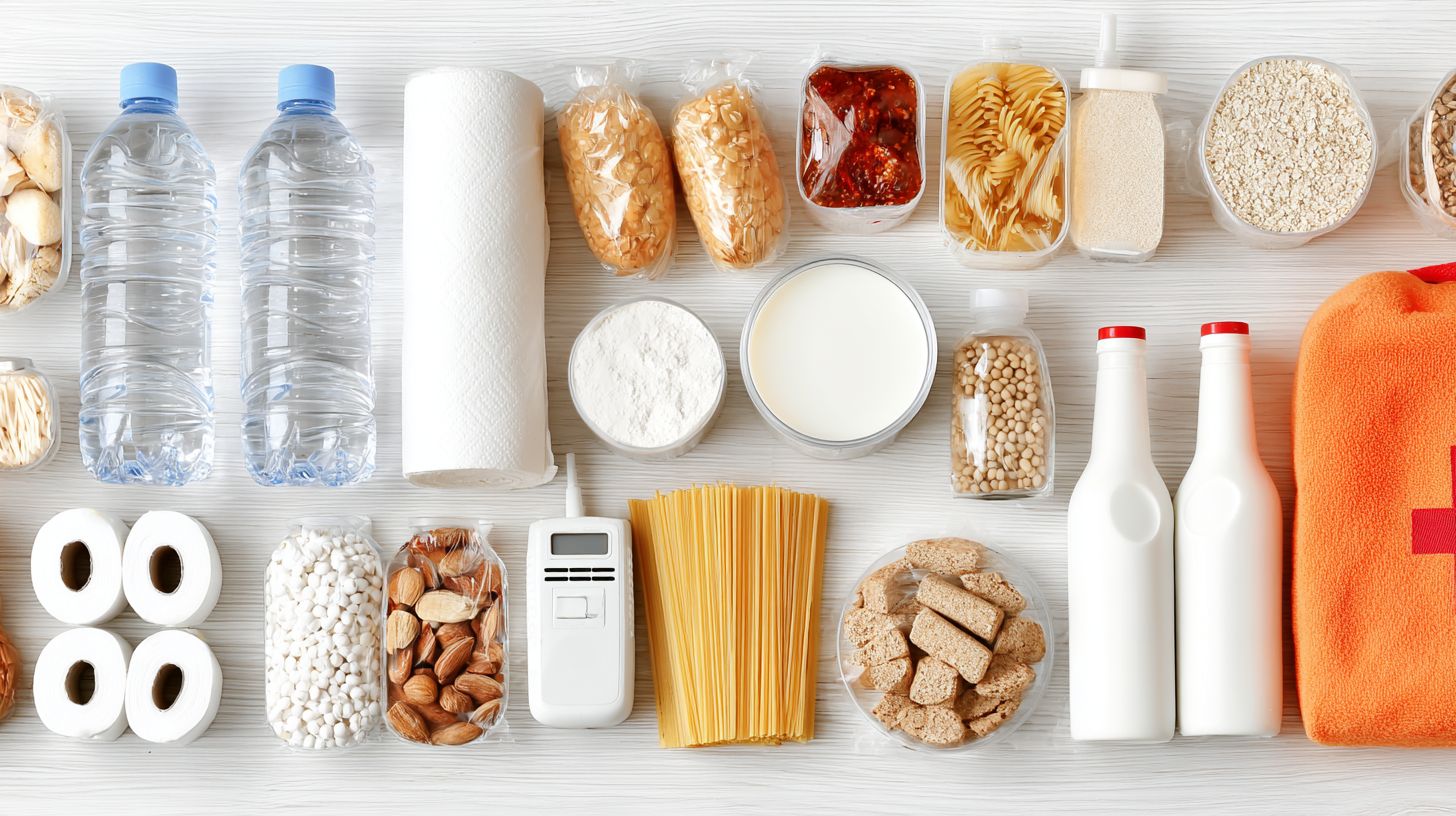
Store waterproof copies of passport, driver’s license, medical records, and $500 cash in $20 bills in a Ziploc with silica packets. This keeps your important documents safe from water damage in your emergency preparedness kit. Add Rite in the Rain waterproof paper for prints, it costs about $10 per pad and holds up in floods or heavy rain.
These items fit right into your go-bag or 72-hour kit. Think about local hazards like floods or hurricanes when packing. FEMA’s Go Bag Documents Checklist offers a solid starting point for what to include.
Protect everything in a waterproof pouch inside your bug-out bag. Check documents yearly for updates, like new insurance cards. This ensures reliability during power outages or evacuations.
- IDs: Laminated copies of driver’s license and state ID.
- Insurance cards: Health, auto, and home copies on waterproof paper.
- Passports: Waterproof scans or originals in a sealed bag.
- Medical records: Key info on a USB drive, plus printed summary.
- Emergency contacts: Printed list with phone numbers and emails.
- Property deeds: Copies of home or land ownership papers.
- Pet microchip numbers: Records for quick pet recovery.
- Bank account numbers: Partial info for access, not full details.
- Cash: $100 bills plus coins for small purchases.
- Will or power of attorney: Scanned copies for legal needs.
Pair this with other preparedness supplies like a flashlight and cash for self-sufficiency. Test your setup by doing a family drill. It builds confidence for real emergencies.
Maintenance and Storage
Check your emergency preparedness kit every 6 months, rotating food/water using the FIFO method, first in, first out, to maintain 100% readiness. This simple habit keeps your survival kit reliable for power outages or evacuations. Set a calendar reminder to stay on track.
Follow this 6-month maintenance calendar for your disaster kit. In January, check meds expiration dates and replace any outdated prescription meds or pain relievers. In April, test flashlight batteries and hand-crank radio to check that they work.
By July, rotate non-perishable food and bottled water, using oldest items first. In October, run a full family drill to practice grabbing your go-bag. Expect rotation costs around $25 per quarter for basics like fresh batteries or canned goods.
Store your 72-hour kit in an 18-gallon Rubbermaid tote, about 27x16x14 inches, in a cool, dry spot with less than 2-minute access time. Reference the Red Cross Kit Inspection Checklist and California Earthquake Authority storage guidelines for best practices. This setup ensures quick grabs during earthquakes or floods.
Quarterly Test Protocol
Run a 15-minute family drill every quarter to test your emergency kit. Time how fast everyone assembles essential items like the first aid kit, flashlight, and local maps. This builds confidence in your preparedness plan.
During drills, check accessibility of your bug-out bag and practice your evacuation plan. Include pet supplies or child needs to make it realistic. Adjust based on local hazards, like adding dust masks for wildfires.
Test items like the multi-tool, whistle, and portable power bank each time. The Red Cross recommends regular practice for self-sufficiency. These short sessions keep your family sharp for real crises.
Rotation and Stock Tips
Rotate stock in your preparedness supplies using FIFO to avoid waste. Pull out older non-perishable food, water purification tablets, and sanitation supplies first. Replace with fresh hygiene items like moist towelettes and soap.
Track expiration dates on bandages, antiseptic wipes, and special dietary needs items. Bulk buying affordable supplies keeps costs low at about $25 quarterly. Customize for pandemic kits or elderly care with extra medications and glasses.
Include copies of ID, emergency contact list, and cash in your kit during rotations. Experts recommend this for resilience in shelter-in-place scenarios. It ensures your disaster kit stays ready year-round.
Looking for a proven solution?
Check out our recommended resource here: Click here to learn more